Buy spacecampus-paris.eu ?
We are moving the project
spacecampus-paris.eu .
Are you interested in purchasing the domain
spacecampus-paris.eu ?
domain@kv-gmbh.de · 0541-91531010
Buy spacecampus-paris.eu ?
Which filters do I need for galactic nebulae?
To capture the vibrant colors and details of galactic nebulae, you will need narrowband filters that isolate specific wavelengths of light emitted by ionized gases in the nebulae. The most commonly used filters for capturing nebulae are hydrogen-alpha (Ha), oxygen III (OIII), and sulfur II (SII) filters. These filters allow you to capture the distinct red, green, and blue colors emitted by the gases in the nebulae, resulting in stunning and detailed astrophotography images. **
Which affordable telescope is suitable for photographing some nebulae?
One affordable telescope suitable for photographing some nebulae is the Celestron NexStar 130SLT. This telescope has a good aperture size of 130mm, allowing for decent light-gathering capabilities to capture nebulae. It also comes with a motorized mount for tracking celestial objects, making it easier to take long-exposure photographs. Additionally, it is relatively easy to set up and use, making it a good option for beginners interested in astrophotography. **

Similar search terms for Nebulae
Top-Angebote
Products related to Nebulae:
-
Uplifted Finds Interactive Ring Toss Training System Professional Early Education & Pediatric Fitness Infrastructure Interactive Ring Toss Training System Professional Early Education & Pediatric Fitness InfrastructureCommand ultimate developmental confidence with the Interactive Ring Toss Training System, a highperformance educational solution specifically engineered to act as a comprehensive tool for elite organization and superior technical ergonomics. Built...52,97 $*Shipping: 0,00 $Secure redirect to the provider
-
Uplift Essentials Long Nylon Training Lead Heavy Duty Outdoor Exploration & Recall Leash 3mMaster distance training and provide your pet with controlled freedom using our Professional Long Nylon Training Lead. Engineered for versatility and durability, this hightensile leash is the ultimate tool for outdoor hiking, recall practice, and...44,97 $*Shipping: 0,00 $Secure redirect to the provider
-
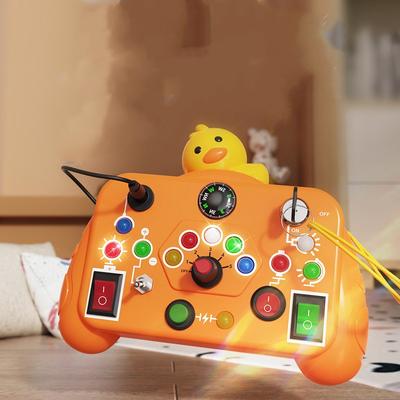
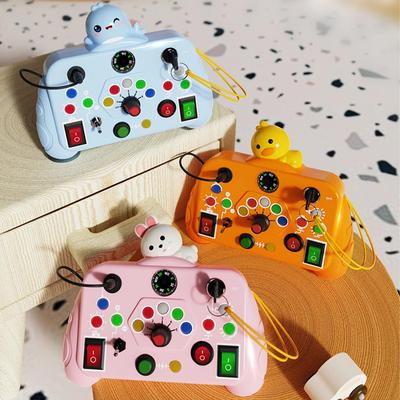
Smart Shopping Spot Montessori Busy Machine, Early Education Cognitive Game, Hand Eye Coordination Exploration Toys For Kids pinkEncourage Cognitive Growth with Montessori Busy Machine The Kids Montessori Busy Machine is an interactive toy designed to promote early learning through fun and exploration. This cognitive game challenges young minds while developing essential...34,97 $*Shipping: 0,00 $Secure redirect to the provider



-
How can one create bright areas like starlight nebulae with watercolor pencils?
To create bright areas like starlight nebulae with watercolor pencils, one can start by using a white or light-colored pencil to lay down a base layer. Then, gradually build up layers of vibrant colors such as blues, purples, pinks, and yellows to create a sense of depth and luminosity. Utilizing techniques like blending, layering, and adding highlights with a white gel pen can enhance the brightness and create a glowing effect reminiscent of starlight nebulae. Experimenting with different pressure levels and pencil strokes can also help achieve the desired luminous effect. **
-
Could planetary nebulae and supernova remnants provide clues to the colors of worlds?
Planetary nebulae and supernova remnants could potentially provide clues to the colors of worlds. The colors of these phenomena are determined by the elements present in the surrounding gas and dust, which in turn are influenced by the composition and evolution of the parent star. By studying the colors of planetary nebulae and supernova remnants, scientists can gain insight into the chemical makeup and history of the stars and the planetary systems they may have hosted. This information could help us understand the range of possible colors for worlds in different stellar environments. **
-
What does astronomy research?
Astronomy research involves studying celestial objects such as stars, planets, galaxies, and other phenomena in the universe. Researchers use telescopes, satellites, and other instruments to observe and analyze these objects to better understand their properties, behavior, and evolution. By studying astronomy, researchers aim to answer fundamental questions about the origins of the universe, the nature of dark matter and dark energy, and the potential for life beyond Earth. **
-
What is the difference between primary research, secondary research, and market exploration?
Primary research involves collecting data directly from the source, such as through surveys, interviews, or observations. This type of research is conducted by the researcher and is tailored to the specific needs of the study. Secondary research, on the other hand, involves analyzing existing data and information that has already been collected by others, such as academic journals, government reports, or industry publications. Market exploration is a broader term that encompasses both primary and secondary research methods and involves investigating the market to gather information about consumers, competitors, and industry trends in order to make informed business decisions. **


What is the difference between market research and market exploration?
Market research involves collecting and analyzing data about a specific market, including customer preferences, buying habits, and competitor analysis. It is a more structured and focused approach to gathering information to make informed business decisions. On the other hand, market exploration is a broader and more open-ended process of discovering new opportunities, trends, and potential markets. It involves more creativity and innovation in identifying new possibilities for business growth. In summary, market research is about gathering specific data to answer defined questions, while market exploration is about exploring new ideas and opportunities in a less structured manner. **
What are training professions in astronomy?
Training professions in astronomy include astronomers, astrophysicists, and research scientists who study celestial bodies and phenomena. These professionals typically have advanced degrees in astronomy, physics, or a related field, and often work in universities, research institutions, or government agencies. They may specialize in areas such as observational astronomy, theoretical astrophysics, or planetary science, and use advanced technology and techniques to conduct research and make new discoveries about the universe. **
Top-Angebote
Products related to Nebulae:
-
Smart Shopping Spot Montessori Busy Machine, Early Education Cognitive Game, Hand Eye Coordination Exploration Toys For Kids orangeEncourage Cognitive Growth with Montessori Busy Machine The Kids Montessori Busy Machine is an interactive toy designed to promote early learning through fun and exploration. This cognitive game challenges young minds while developing essential...34,97 $*Shipping: 0,00 $Secure redirect to the provider
-
Research-powered Eye Duo - Skincare Kit Charlotte Tilbury 3315 Charlotte's Research-powered Eye Duo Size:Darlings, unlock the secret to eyes that appear brighter, depuffed, smoother and younger with my Research-Powered Eye Duo! This CharlotteTilbury.com EXCLUSIVE skincare duo includes:94,05 £*Shipping: 0,00 £Secure redirect to the provider
-
Uplifted Finds Interactive Ring Toss Training System Professional Early Education & Pediatric Fitness Infrastructure Interactive Ring Toss Training System Professional Early Education & Pediatric Fitness InfrastructureCommand ultimate developmental confidence with the Interactive Ring Toss Training System, a highperformance educational solution specifically engineered to act as a comprehensive tool for elite organization and superior technical ergonomics. Built...52,97 $*Shipping: 0,00 $Secure redirect to the provider
-
Which filters do I need for galactic nebulae?
To capture the vibrant colors and details of galactic nebulae, you will need narrowband filters that isolate specific wavelengths of light emitted by ionized gases in the nebulae. The most commonly used filters for capturing nebulae are hydrogen-alpha (Ha), oxygen III (OIII), and sulfur II (SII) filters. These filters allow you to capture the distinct red, green, and blue colors emitted by the gases in the nebulae, resulting in stunning and detailed astrophotography images. **
-
Which affordable telescope is suitable for photographing some nebulae?
One affordable telescope suitable for photographing some nebulae is the Celestron NexStar 130SLT. This telescope has a good aperture size of 130mm, allowing for decent light-gathering capabilities to capture nebulae. It also comes with a motorized mount for tracking celestial objects, making it easier to take long-exposure photographs. Additionally, it is relatively easy to set up and use, making it a good option for beginners interested in astrophotography. **
-
How can one create bright areas like starlight nebulae with watercolor pencils?
To create bright areas like starlight nebulae with watercolor pencils, one can start by using a white or light-colored pencil to lay down a base layer. Then, gradually build up layers of vibrant colors such as blues, purples, pinks, and yellows to create a sense of depth and luminosity. Utilizing techniques like blending, layering, and adding highlights with a white gel pen can enhance the brightness and create a glowing effect reminiscent of starlight nebulae. Experimenting with different pressure levels and pencil strokes can also help achieve the desired luminous effect. **
-
Could planetary nebulae and supernova remnants provide clues to the colors of worlds?
Planetary nebulae and supernova remnants could potentially provide clues to the colors of worlds. The colors of these phenomena are determined by the elements present in the surrounding gas and dust, which in turn are influenced by the composition and evolution of the parent star. By studying the colors of planetary nebulae and supernova remnants, scientists can gain insight into the chemical makeup and history of the stars and the planetary systems they may have hosted. This information could help us understand the range of possible colors for worlds in different stellar environments. **
Similar search terms for Nebulae
-
Uplift Essentials Long Nylon Training Lead Heavy Duty Outdoor Exploration & Recall Leash 3mMaster distance training and provide your pet with controlled freedom using our Professional Long Nylon Training Lead. Engineered for versatility and durability, this hightensile leash is the ultimate tool for outdoor hiking, recall practice, and...44,97 $*Shipping: 0,00 $Secure redirect to the provider
-
Smart Shopping Spot Montessori Busy Machine, Early Education Cognitive Game, Hand Eye Coordination Exploration Toys For Kids pinkEncourage Cognitive Growth with Montessori Busy Machine The Kids Montessori Busy Machine is an interactive toy designed to promote early learning through fun and exploration. This cognitive game challenges young minds while developing essential...34,97 $*Shipping: 0,00 $Secure redirect to the provider
-
Smart Shopping Spot Montessori Busy Machine, Early Education Cognitive Game, Hand Eye Coordination Exploration Toys For Kids blueEncourage Cognitive Growth with Montessori Busy Machine The Kids Montessori Busy Machine is an interactive toy designed to promote early learning through fun and exploration. This cognitive game challenges young minds while developing essential...34,97 $*Shipping: 0,00 $Secure redirect to the provider
-
Uplift Essentials Long Nylon Training Lead Heavy Duty Outdoor Exploration & Recall Leash 1.8mMaster distance training and provide your pet with controlled freedom using our Professional Long Nylon Training Lead. Engineered for versatility and durability, this hightensile leash is the ultimate tool for outdoor hiking, recall practice, and...39,97 $*Shipping: 0,00 $Secure redirect to the provider
-
What does astronomy research?
Astronomy research involves studying celestial objects such as stars, planets, galaxies, and other phenomena in the universe. Researchers use telescopes, satellites, and other instruments to observe and analyze these objects to better understand their properties, behavior, and evolution. By studying astronomy, researchers aim to answer fundamental questions about the origins of the universe, the nature of dark matter and dark energy, and the potential for life beyond Earth. **
-
What is the difference between primary research, secondary research, and market exploration?
Primary research involves collecting data directly from the source, such as through surveys, interviews, or observations. This type of research is conducted by the researcher and is tailored to the specific needs of the study. Secondary research, on the other hand, involves analyzing existing data and information that has already been collected by others, such as academic journals, government reports, or industry publications. Market exploration is a broader term that encompasses both primary and secondary research methods and involves investigating the market to gather information about consumers, competitors, and industry trends in order to make informed business decisions. **
-
What is the difference between market research and market exploration?
Market research involves collecting and analyzing data about a specific market, including customer preferences, buying habits, and competitor analysis. It is a more structured and focused approach to gathering information to make informed business decisions. On the other hand, market exploration is a broader and more open-ended process of discovering new opportunities, trends, and potential markets. It involves more creativity and innovation in identifying new possibilities for business growth. In summary, market research is about gathering specific data to answer defined questions, while market exploration is about exploring new ideas and opportunities in a less structured manner. **
-
What are training professions in astronomy?
Training professions in astronomy include astronomers, astrophysicists, and research scientists who study celestial bodies and phenomena. These professionals typically have advanced degrees in astronomy, physics, or a related field, and often work in universities, research institutions, or government agencies. They may specialize in areas such as observational astronomy, theoretical astrophysics, or planetary science, and use advanced technology and techniques to conduct research and make new discoveries about the universe. **
* All prices are inclusive of VAT and, if applicable, plus shipping costs. The offer information is based on the details provided by the respective shop and is updated through automated processes. Real-time updates do not occur, so deviations can occur in individual cases. ** Note: Parts of this content were created by AI.