Buy spacecampus-paris.eu ?
We are moving the project
spacecampus-paris.eu .
Are you interested in purchasing the domain
spacecampus-paris.eu ?
domain@kv-gmbh.de · 0541-91531010
Buy spacecampus-paris.eu ?
What is Montessori Cosmic Education?
Montessori Cosmic Education is an approach to education that aims to help children develop a holistic understanding of the world and their place in it. It is based on the idea that everything in the universe is interconnected and that children should be encouraged to explore and appreciate this interconnectedness. Cosmic Education encompasses a wide range of subjects, including history, geography, biology, and anthropology, and encourages children to see themselves as part of a larger whole. The goal of Montessori Cosmic Education is to foster a sense of wonder, curiosity, and respect for the world and all its inhabitants. **
What are questions about Montessori education?
Questions about Montessori education may include inquiries about the philosophy and principles of the Montessori method, the role of the teacher in a Montessori classroom, the use of Montessori materials and activities, the benefits of Montessori education for children's development, and the differences between Montessori and traditional education. Additionally, questions may also focus on the suitability of Montessori education for different age groups, the impact of Montessori education on children's social and emotional development, and the ways in which parents can support their child's Montessori learning at home. **
Similar search terms for JoyToys-Montessori-Busy-Board
Top-Angebote
Products related to JoyToys-Montessori-Busy-Board:
-
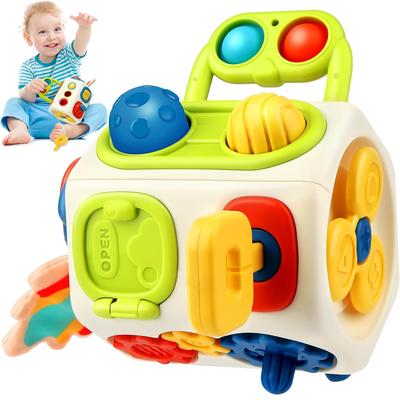
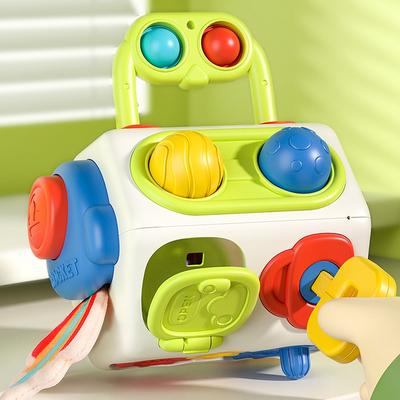
JoyToys Montessori Busy Board Cube For Toddlers Travel Sensory Toy Fine Motor Skills Learning Activity brownExperience the joy of watching your little one learn through play with this Montessori busy board designed to spark curiosity and build confidence. Packed with engaging handson activities, this interactive sensory toy for toddlers keeps children...64,97 $*Shipping: 0,00 $Secure redirect to the provider
-
JoyToys Montessori Busy Board Cube Sensory Toy For Toddlers Fine Motor Learning Travel Activity Box colorfulKeep little hands busy while encouraging meaningful learning with this Montessori busy board designed for curious toddlers. This engaging sensory toy combines everyday activities into one compact cube that promotes independent play and...64,97 $*Shipping: 0,00 $Secure redirect to the provider
-
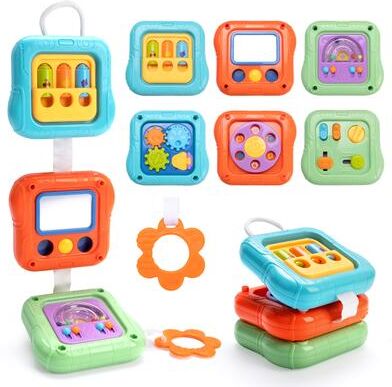
JoyToys Montessori Busy Cube Sensory Toy For Fine Motor Skills And Toddler Learning Montessori Busy Cube Sensory Toy For Fine Motor Skills And Toddler LearningTransform everyday play into meaningful learning with this Montessori busy cube designed to spark curiosity and build confidence. Packed with engaging handson activities, this sensory toy keeps little hands and growing minds happily occupied at home...55,97 $*Shipping: 0,00 $Secure redirect to the provider
-
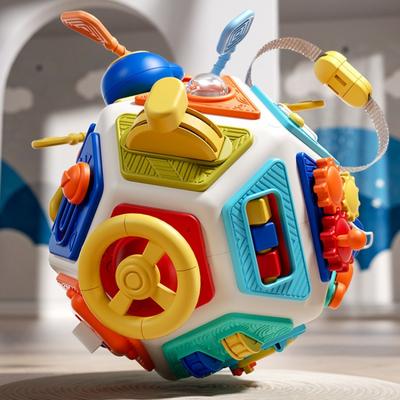
Tiny Tots Teens Trends Montessori Baby Training, Infant Puzzle Early Education Toys, Busy Hand Grasping Ball For Baby Montessori Baby Training, Infant Puzzle Early Education Toys, Busy Hand Grasping Ball For BabyIntroduce Your Baby to the World of Learning The Infant Puzzle Early Education Toys are designed to foster cognitive and physical development in your little one. This Multifunctional Busy Ball for Montessori Baby Training is ideal for enhancing...79,97 $*Shipping: 0,00 $Secure redirect to the provider


-
What is the absorbent mind in Montessori education?
The absorbent mind is a concept in Montessori education that refers to the unique ability of young children to effortlessly absorb information from their environment. During the first six years of life, children have a natural curiosity and eagerness to learn, and they soak up knowledge like a sponge. This period is crucial for their development, as they are able to effortlessly acquire language, culture, and various skills simply by being exposed to their surroundings. Montessori educators believe in nurturing and supporting this absorbent mind by providing a prepared environment that is rich in stimulating materials and experiences. **
-
What is Montessori?
Montessori is an educational approach developed by Dr. Maria Montessori that emphasizes independence, freedom within limits, and respect for a child's natural psychological, physical, and social development. It is based on the belief that children are naturally curious and capable of self-directed learning. Montessori classrooms are typically designed to encourage hands-on, individualized learning experiences and promote a sense of community and collaboration among students. The Montessori method is used in schools around the world and is known for its focus on fostering a love of learning and nurturing the whole child. **
-
Montessori or Fröbel?
Both Montessori and Fröbel have made significant contributions to early childhood education. Montessori education focuses on individualized learning and self-directed activities, while Fröbel's approach emphasizes play-based learning and the importance of creativity and imagination. Ultimately, the choice between Montessori and Fröbel depends on the individual child's learning style and the educational philosophy that aligns best with their needs and interests. Both approaches have their merits and can be effective in nurturing a child's development. **
-
What are the methodological and didactic principles of Montessori education?
The methodological and didactic principles of Montessori education are based on the belief that children are naturally curious and capable of self-directed learning. The approach emphasizes hands-on, experiential learning, and the use of specially designed materials that encourage exploration and discovery. The role of the teacher is to guide and support the child's learning process, rather than to dictate or direct it. The environment is carefully prepared to promote independence, freedom of movement, and a sense of order, allowing children to develop at their own pace and according to their individual interests. **
How could one structure a research paper on the Montessori approach?
A research paper on the Montessori approach could be structured in the following way: 1. Introduction: Provide an overview of the Montessori approach, its history, and key principles. 2. Literature Review: Review existing literature on the Montessori approach, including its impact on child development, educational outcomes, and comparisons with traditional educational methods. 3. Methodology: Describe the research methods used to study the Montessori approach, including data collection and analysis techniques. 4. Findings: Present the findings of the research, including any evidence of the effectiveness of the Montessori approach and its potential benefits for children. 5. Discussion: Discuss the implications of the findings, including the potential applications of the Montessori approach in educational settings and any limitations of the research. 6. Conclusion: Summarize the key findings and implications of the research, and suggest areas for future study. **
What is a Montessori school?
A Montessori school is an educational approach developed by Dr. Maria Montessori that emphasizes independence, freedom within limits, and respect for a child's natural psychological, physical, and social development. In a Montessori school, children are encouraged to learn at their own pace and follow their interests, with teachers acting as guides rather than traditional instructors. The classroom environment is typically designed to be child-centered, with a focus on hands-on learning materials and mixed-age groupings to promote collaboration and social skills. **
Top-Angebote
Products related to JoyToys-Montessori-Busy-Board:
-
JoyToys Montessori Busy Cube Sensory Toy For Toddlers Educational Busy Board Travel Activity Cube Montessori Busy Cube Sensory Toy For Toddlers Educational Busy Board Travel Activity CubeExperience the joy of watching your little one learn through play with this Montessori busy cube designed to keep curious hands and growing minds engaged. Packed with interactive activities, this sensory toy for toddlers encourages independent...49,97 $*Shipping: 0,00 $Secure redirect to the provider
-
JoyToys Montessori Busy Board Handbag Sensory Toy For Toddlers Fine Motor Skills Travel Activity Toy Montessori Busy Board Handbag Sensory Toy For Toddlers Fine Motor Skills Travel Activity ToyExperience the joy of watching your little one learn through play with this Montessori busy board designed to inspire curiosity and independence. Packed with engaging handson activities, this portable sensory toy keeps toddlers entertained while...39,97 $*Shipping: 0,00 $Secure redirect to the provider
-
JoyToys Montessori Busy Board Cube For Toddlers Travel Sensory Toy Fine Motor Skills Learning Activity brownExperience the joy of watching your little one learn through play with this Montessori busy board designed to spark curiosity and build confidence. Packed with engaging handson activities, this interactive sensory toy for toddlers keeps children...64,97 $*Shipping: 0,00 $Secure redirect to the provider
-
JoyToys Montessori Busy Board Cube Sensory Toy For Toddlers Fine Motor Learning Travel Activity Box colorfulKeep little hands busy while encouraging meaningful learning with this Montessori busy board designed for curious toddlers. This engaging sensory toy combines everyday activities into one compact cube that promotes independent play and...64,97 $*Shipping: 0,00 $Secure redirect to the provider
-
What is Montessori Cosmic Education?
Montessori Cosmic Education is an approach to education that aims to help children develop a holistic understanding of the world and their place in it. It is based on the idea that everything in the universe is interconnected and that children should be encouraged to explore and appreciate this interconnectedness. Cosmic Education encompasses a wide range of subjects, including history, geography, biology, and anthropology, and encourages children to see themselves as part of a larger whole. The goal of Montessori Cosmic Education is to foster a sense of wonder, curiosity, and respect for the world and all its inhabitants. **
-
What are questions about Montessori education?
Questions about Montessori education may include inquiries about the philosophy and principles of the Montessori method, the role of the teacher in a Montessori classroom, the use of Montessori materials and activities, the benefits of Montessori education for children's development, and the differences between Montessori and traditional education. Additionally, questions may also focus on the suitability of Montessori education for different age groups, the impact of Montessori education on children's social and emotional development, and the ways in which parents can support their child's Montessori learning at home. **
-
What is the absorbent mind in Montessori education?
The absorbent mind is a concept in Montessori education that refers to the unique ability of young children to effortlessly absorb information from their environment. During the first six years of life, children have a natural curiosity and eagerness to learn, and they soak up knowledge like a sponge. This period is crucial for their development, as they are able to effortlessly acquire language, culture, and various skills simply by being exposed to their surroundings. Montessori educators believe in nurturing and supporting this absorbent mind by providing a prepared environment that is rich in stimulating materials and experiences. **
-
What is Montessori?
Montessori is an educational approach developed by Dr. Maria Montessori that emphasizes independence, freedom within limits, and respect for a child's natural psychological, physical, and social development. It is based on the belief that children are naturally curious and capable of self-directed learning. Montessori classrooms are typically designed to encourage hands-on, individualized learning experiences and promote a sense of community and collaboration among students. The Montessori method is used in schools around the world and is known for its focus on fostering a love of learning and nurturing the whole child. **
Similar search terms for JoyToys-Montessori-Busy-Board
-
JoyToys Montessori Busy Cube Sensory Toy For Fine Motor Skills And Toddler Learning Montessori Busy Cube Sensory Toy For Fine Motor Skills And Toddler LearningTransform everyday play into meaningful learning with this Montessori busy cube designed to spark curiosity and build confidence. Packed with engaging handson activities, this sensory toy keeps little hands and growing minds happily occupied at home...55,97 $*Shipping: 0,00 $Secure redirect to the provider
-
Tiny Tots Teens Trends Montessori Baby Training, Infant Puzzle Early Education Toys, Busy Hand Grasping Ball For Baby Montessori Baby Training, Infant Puzzle Early Education Toys, Busy Hand Grasping Ball For BabyIntroduce Your Baby to the World of Learning The Infant Puzzle Early Education Toys are designed to foster cognitive and physical development in your little one. This Multifunctional Busy Ball for Montessori Baby Training is ideal for enhancing...79,97 $*Shipping: 0,00 $Secure redirect to the provider
-
Tiny Tots Teens Trends Fidget Busy Board, Montessori Busy Cube For Toddlers, Baby Learning Sensory Toys, Educational Gifts Fidget Busy Board, Montessori Busy Cube For Toddlers, Baby Learning Sensory Toys, Educational GiftsEngaging and Educational Fun for Toddlers The Montessori Busy Cube for Toddlers is designed to boost your baby's cognitive development while providing endless fun. This handson, interactive toy is ideal for children aged 03 years and helps them...49,97 $*Shipping: 0,00 $Secure redirect to the provider
-
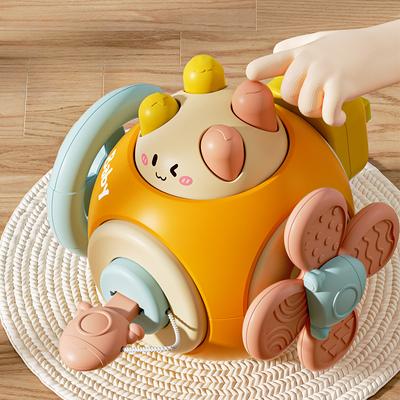
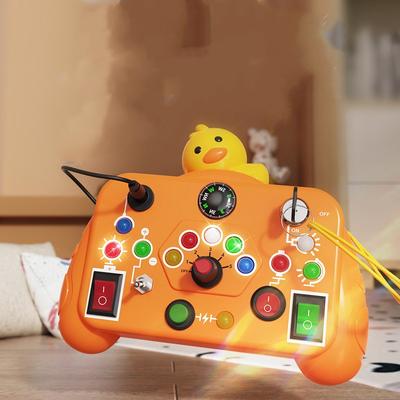
Smart Shopping Spot Montessori Busy Machine, Early Education Cognitive Game, Hand Eye Coordination Exploration Toys For Kids orangeEncourage Cognitive Growth with Montessori Busy Machine The Kids Montessori Busy Machine is an interactive toy designed to promote early learning through fun and exploration. This cognitive game challenges young minds while developing essential...34,97 $*Shipping: 0,00 $Secure redirect to the provider
-
Montessori or Fröbel?
Both Montessori and Fröbel have made significant contributions to early childhood education. Montessori education focuses on individualized learning and self-directed activities, while Fröbel's approach emphasizes play-based learning and the importance of creativity and imagination. Ultimately, the choice between Montessori and Fröbel depends on the individual child's learning style and the educational philosophy that aligns best with their needs and interests. Both approaches have their merits and can be effective in nurturing a child's development. **
-
What are the methodological and didactic principles of Montessori education?
The methodological and didactic principles of Montessori education are based on the belief that children are naturally curious and capable of self-directed learning. The approach emphasizes hands-on, experiential learning, and the use of specially designed materials that encourage exploration and discovery. The role of the teacher is to guide and support the child's learning process, rather than to dictate or direct it. The environment is carefully prepared to promote independence, freedom of movement, and a sense of order, allowing children to develop at their own pace and according to their individual interests. **
-
How could one structure a research paper on the Montessori approach?
A research paper on the Montessori approach could be structured in the following way: 1. Introduction: Provide an overview of the Montessori approach, its history, and key principles. 2. Literature Review: Review existing literature on the Montessori approach, including its impact on child development, educational outcomes, and comparisons with traditional educational methods. 3. Methodology: Describe the research methods used to study the Montessori approach, including data collection and analysis techniques. 4. Findings: Present the findings of the research, including any evidence of the effectiveness of the Montessori approach and its potential benefits for children. 5. Discussion: Discuss the implications of the findings, including the potential applications of the Montessori approach in educational settings and any limitations of the research. 6. Conclusion: Summarize the key findings and implications of the research, and suggest areas for future study. **
-
What is a Montessori school?
A Montessori school is an educational approach developed by Dr. Maria Montessori that emphasizes independence, freedom within limits, and respect for a child's natural psychological, physical, and social development. In a Montessori school, children are encouraged to learn at their own pace and follow their interests, with teachers acting as guides rather than traditional instructors. The classroom environment is typically designed to be child-centered, with a focus on hands-on learning materials and mixed-age groupings to promote collaboration and social skills. **
* All prices are inclusive of VAT and, if applicable, plus shipping costs. The offer information is based on the details provided by the respective shop and is updated through automated processes. Real-time updates do not occur, so deviations can occur in individual cases. ** Note: Parts of this content were created by AI.