Buy spacecampus-paris.eu ?
We are moving the project
spacecampus-paris.eu .
Are you interested in purchasing the domain
spacecampus-paris.eu ?
domain@kv-gmbh.de · 0541-91531010
Buy spacecampus-paris.eu ?
What is the meaning of "ought to"?
"Ought to" is a modal verb that is used to express obligation, duty, or moral correctness. It indicates that something is the right thing to do, or that it is necessary or advisable. It is often used to give advice or make recommendations. For example, "You ought to apologize for your mistake" suggests that it is the right or moral thing to do. **
Is the statement "I think, therefore I am" a being-ought fallacy?
The statement "I think, therefore I am" is not a being-ought fallacy. It is a philosophical proposition put forth by René Descartes, which asserts the existence of the self as a thinking being. It does not make any normative claims about what one ought to do or be, but rather focuses on the epistemological certainty of one's own existence as a thinking being. Therefore, it does not fall into the category of being-ought fallacy, which involves deriving an "ought" statement from a statement about being. **

Similar search terms for Ought
Top-Angebote
Products related to Ought:
-
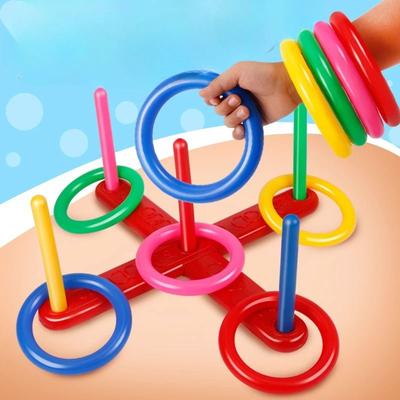
Uplifted Finds Interactive Ring Toss Training System Professional Early Education & Pediatric Fitness Infrastructure Interactive Ring Toss Training System Professional Early Education & Pediatric Fitness InfrastructureCommand ultimate developmental confidence with the Interactive Ring Toss Training System, a highperformance educational solution specifically engineered to act as a comprehensive tool for elite organization and superior technical ergonomics. Built...52,97 $*Shipping: 0,00 $Secure redirect to the provider
-
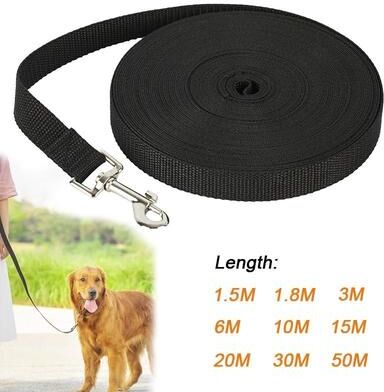
Uplift Essentials Long Nylon Training Lead Heavy Duty Outdoor Exploration & Recall Leash 3mMaster distance training and provide your pet with controlled freedom using our Professional Long Nylon Training Lead. Engineered for versatility and durability, this hightensile leash is the ultimate tool for outdoor hiking, recall practice, and...44,97 $*Shipping: 0,00 $Secure redirect to the provider
-
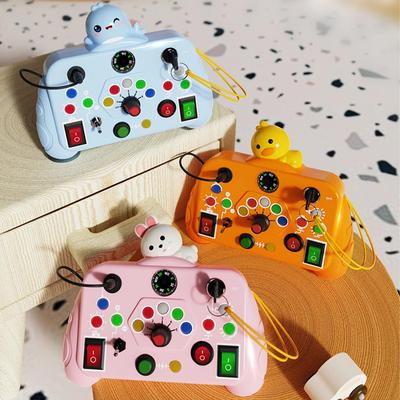
Smart Shopping Spot Montessori Busy Machine, Early Education Cognitive Game, Hand Eye Coordination Exploration Toys For Kids pinkEncourage Cognitive Growth with Montessori Busy Machine The Kids Montessori Busy Machine is an interactive toy designed to promote early learning through fun and exploration. This cognitive game challenges young minds while developing essential...34,97 $*Shipping: 0,00 $Secure redirect to the provider


-
When do you use "ought to" and "should" and when do you not?
"Ought to" and "should" are both used to express obligation, duty, or moral correctness. They are often used interchangeably, but "ought to" is considered slightly stronger and more formal than "should." Both are used to give advice or make recommendations. However, they are not used in the negative form, as the negative form of "ought to" is "ought not to" and the negative form of "should" is "should not." Instead, "shouldn't" is used to express the negative form of "should." **
-
What exactly does the phrase "moral ought" mean within the scope of our abilities?
The phrase "moral ought" refers to the idea that there are certain actions or behaviors that we have a moral obligation or duty to perform. It implies that there is a moral standard or principle that guides our actions and decisions. When we say we "ought" to do something morally, it suggests that it is the right thing to do based on ethical considerations and principles. Ultimately, the concept of "moral ought" highlights the importance of acting in accordance with moral values and principles, even when it may be challenging or inconvenient. **
-
What does astronomy research?
Astronomy research involves studying celestial objects such as stars, planets, galaxies, and other phenomena in the universe. Researchers use telescopes, satellites, and other instruments to observe and analyze these objects to better understand their properties, behavior, and evolution. By studying astronomy, researchers aim to answer fundamental questions about the origins of the universe, the nature of dark matter and dark energy, and the potential for life beyond Earth. **
-
Is the statement "I think, therefore I am" a fallacy of the "is-ought" distinction?
The statement "I think, therefore I am" is not a fallacy of the "is-ought" distinction. The "is-ought" distinction refers to the idea that one cannot derive an "ought" (a moral or prescriptive statement) from an "is" (a descriptive statement). However, "I think, therefore I am" is a statement about existence and self-awareness, not a prescription for how one should behave. Therefore, it does not fall into the category of the "is-ought" fallacy. **

Is there a naturalistic fallacy when one infers from what ought to be to what is?
Yes, there is a naturalistic fallacy when one infers from what ought to be to what is. This fallacy occurs when someone assumes that just because something is a certain way, it ought to be that way. In other words, it is a mistake to derive moral or factual conclusions from natural or descriptive premises. It is important to recognize the distinction between what is and what ought to be in order to avoid this fallacy. **
What is the difference between primary research, secondary research, and market exploration?
Primary research involves collecting data directly from the source, such as through surveys, interviews, or observations. This type of research is conducted by the researcher and is tailored to the specific needs of the study. Secondary research, on the other hand, involves analyzing existing data and information that has already been collected by others, such as academic journals, government reports, or industry publications. Market exploration is a broader term that encompasses both primary and secondary research methods and involves investigating the market to gather information about consumers, competitors, and industry trends in order to make informed business decisions. **
Top-Angebote
Products related to Ought:
-
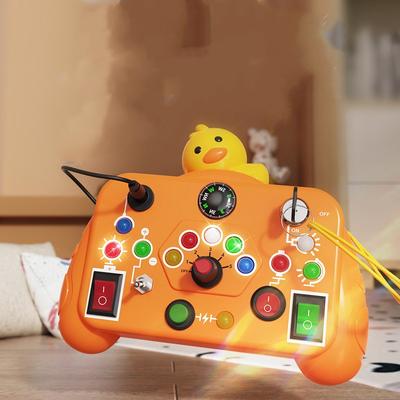
Smart Shopping Spot Montessori Busy Machine, Early Education Cognitive Game, Hand Eye Coordination Exploration Toys For Kids orangeEncourage Cognitive Growth with Montessori Busy Machine The Kids Montessori Busy Machine is an interactive toy designed to promote early learning through fun and exploration. This cognitive game challenges young minds while developing essential...34,97 $*Shipping: 0,00 $Secure redirect to the provider
-
Research-powered Eye Duo - Skincare Kit Charlotte Tilbury 3315 Charlotte's Research-powered Eye Duo Size:Darlings, unlock the secret to eyes that appear brighter, depuffed, smoother and younger with my Research-Powered Eye Duo! This CharlotteTilbury.com EXCLUSIVE skincare duo includes:94,05 £*Shipping: 0,00 £Secure redirect to the provider
-
Uplifted Finds Interactive Ring Toss Training System Professional Early Education & Pediatric Fitness Infrastructure Interactive Ring Toss Training System Professional Early Education & Pediatric Fitness InfrastructureCommand ultimate developmental confidence with the Interactive Ring Toss Training System, a highperformance educational solution specifically engineered to act as a comprehensive tool for elite organization and superior technical ergonomics. Built...52,97 $*Shipping: 0,00 $Secure redirect to the provider
-
What is the meaning of "ought to"?
"Ought to" is a modal verb that is used to express obligation, duty, or moral correctness. It indicates that something is the right thing to do, or that it is necessary or advisable. It is often used to give advice or make recommendations. For example, "You ought to apologize for your mistake" suggests that it is the right or moral thing to do. **
-
Is the statement "I think, therefore I am" a being-ought fallacy?
The statement "I think, therefore I am" is not a being-ought fallacy. It is a philosophical proposition put forth by René Descartes, which asserts the existence of the self as a thinking being. It does not make any normative claims about what one ought to do or be, but rather focuses on the epistemological certainty of one's own existence as a thinking being. Therefore, it does not fall into the category of being-ought fallacy, which involves deriving an "ought" statement from a statement about being. **
-
When do you use "ought to" and "should" and when do you not?
"Ought to" and "should" are both used to express obligation, duty, or moral correctness. They are often used interchangeably, but "ought to" is considered slightly stronger and more formal than "should." Both are used to give advice or make recommendations. However, they are not used in the negative form, as the negative form of "ought to" is "ought not to" and the negative form of "should" is "should not." Instead, "shouldn't" is used to express the negative form of "should." **
-
What exactly does the phrase "moral ought" mean within the scope of our abilities?
The phrase "moral ought" refers to the idea that there are certain actions or behaviors that we have a moral obligation or duty to perform. It implies that there is a moral standard or principle that guides our actions and decisions. When we say we "ought" to do something morally, it suggests that it is the right thing to do based on ethical considerations and principles. Ultimately, the concept of "moral ought" highlights the importance of acting in accordance with moral values and principles, even when it may be challenging or inconvenient. **
Similar search terms for Ought
-
Uplift Essentials Long Nylon Training Lead Heavy Duty Outdoor Exploration & Recall Leash 3mMaster distance training and provide your pet with controlled freedom using our Professional Long Nylon Training Lead. Engineered for versatility and durability, this hightensile leash is the ultimate tool for outdoor hiking, recall practice, and...44,97 $*Shipping: 0,00 $Secure redirect to the provider
-
Smart Shopping Spot Montessori Busy Machine, Early Education Cognitive Game, Hand Eye Coordination Exploration Toys For Kids pinkEncourage Cognitive Growth with Montessori Busy Machine The Kids Montessori Busy Machine is an interactive toy designed to promote early learning through fun and exploration. This cognitive game challenges young minds while developing essential...34,97 $*Shipping: 0,00 $Secure redirect to the provider
-
Smart Shopping Spot Montessori Busy Machine, Early Education Cognitive Game, Hand Eye Coordination Exploration Toys For Kids blueEncourage Cognitive Growth with Montessori Busy Machine The Kids Montessori Busy Machine is an interactive toy designed to promote early learning through fun and exploration. This cognitive game challenges young minds while developing essential...34,97 $*Shipping: 0,00 $Secure redirect to the provider
-
Uplift Essentials Long Nylon Training Lead Heavy Duty Outdoor Exploration & Recall Leash 1.8mMaster distance training and provide your pet with controlled freedom using our Professional Long Nylon Training Lead. Engineered for versatility and durability, this hightensile leash is the ultimate tool for outdoor hiking, recall practice, and...39,97 $*Shipping: 0,00 $Secure redirect to the provider
-
What does astronomy research?
Astronomy research involves studying celestial objects such as stars, planets, galaxies, and other phenomena in the universe. Researchers use telescopes, satellites, and other instruments to observe and analyze these objects to better understand their properties, behavior, and evolution. By studying astronomy, researchers aim to answer fundamental questions about the origins of the universe, the nature of dark matter and dark energy, and the potential for life beyond Earth. **
-
Is the statement "I think, therefore I am" a fallacy of the "is-ought" distinction?
The statement "I think, therefore I am" is not a fallacy of the "is-ought" distinction. The "is-ought" distinction refers to the idea that one cannot derive an "ought" (a moral or prescriptive statement) from an "is" (a descriptive statement). However, "I think, therefore I am" is a statement about existence and self-awareness, not a prescription for how one should behave. Therefore, it does not fall into the category of the "is-ought" fallacy. **
-
Is there a naturalistic fallacy when one infers from what ought to be to what is?
Yes, there is a naturalistic fallacy when one infers from what ought to be to what is. This fallacy occurs when someone assumes that just because something is a certain way, it ought to be that way. In other words, it is a mistake to derive moral or factual conclusions from natural or descriptive premises. It is important to recognize the distinction between what is and what ought to be in order to avoid this fallacy. **
-
What is the difference between primary research, secondary research, and market exploration?
Primary research involves collecting data directly from the source, such as through surveys, interviews, or observations. This type of research is conducted by the researcher and is tailored to the specific needs of the study. Secondary research, on the other hand, involves analyzing existing data and information that has already been collected by others, such as academic journals, government reports, or industry publications. Market exploration is a broader term that encompasses both primary and secondary research methods and involves investigating the market to gather information about consumers, competitors, and industry trends in order to make informed business decisions. **
* All prices are inclusive of VAT and, if applicable, plus shipping costs. The offer information is based on the details provided by the respective shop and is updated through automated processes. Real-time updates do not occur, so deviations can occur in individual cases. ** Note: Parts of this content were created by AI.